$17M
from on-farm enterprises (2017)
Diversified income—tours, events, direct sales—on 233 farms. Modern agriculture depends on more than commodity crops alone.
Source: Census of Agriculture / Planning for Agriculture
Email now
hello@savectfarms.org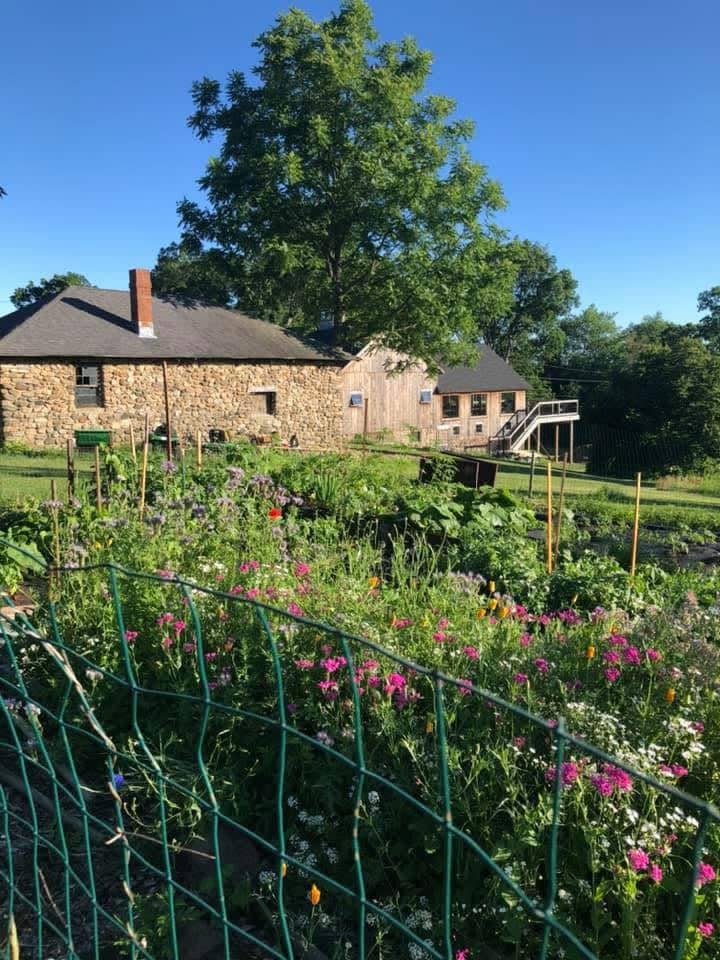
Add your name before the June 4 launch · June 4, 2026
Modern farms shouldn't need a lawyer to survive. Help us update Connecticut's Right to Farm law.
In 2026, Red Clover Farms in Seymour received a cease-and-desist for having activities such as farm workshops & seminars. Connecticut's Right to Farm law hasn't caught up with how farms actually work today.
5,500
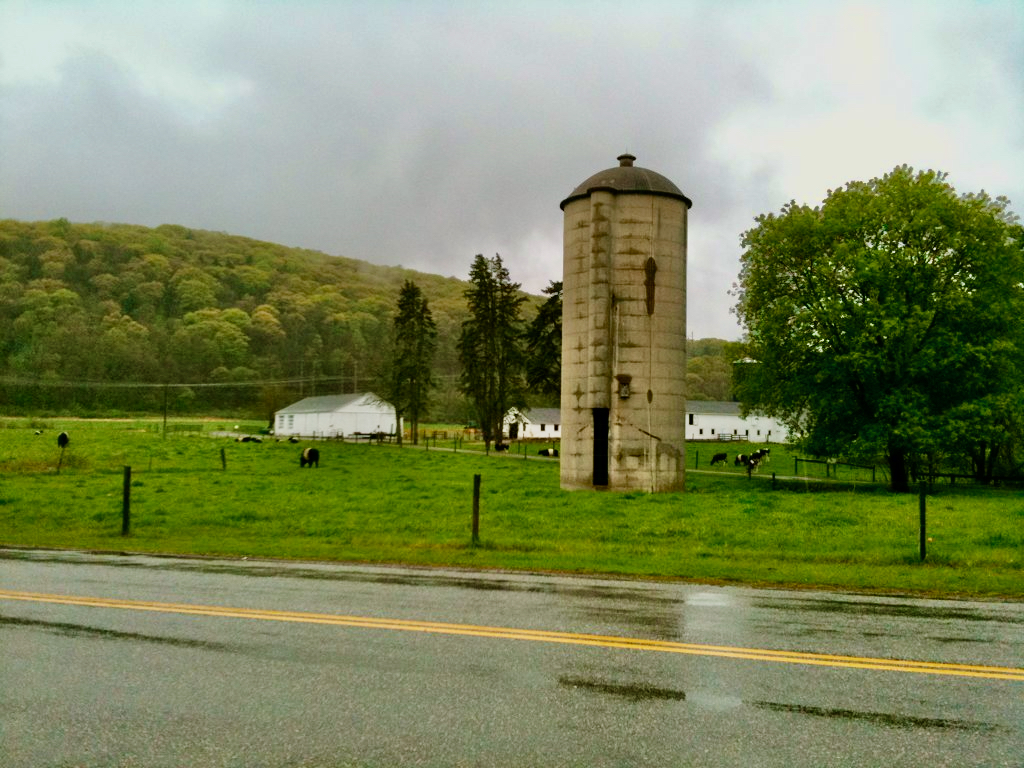
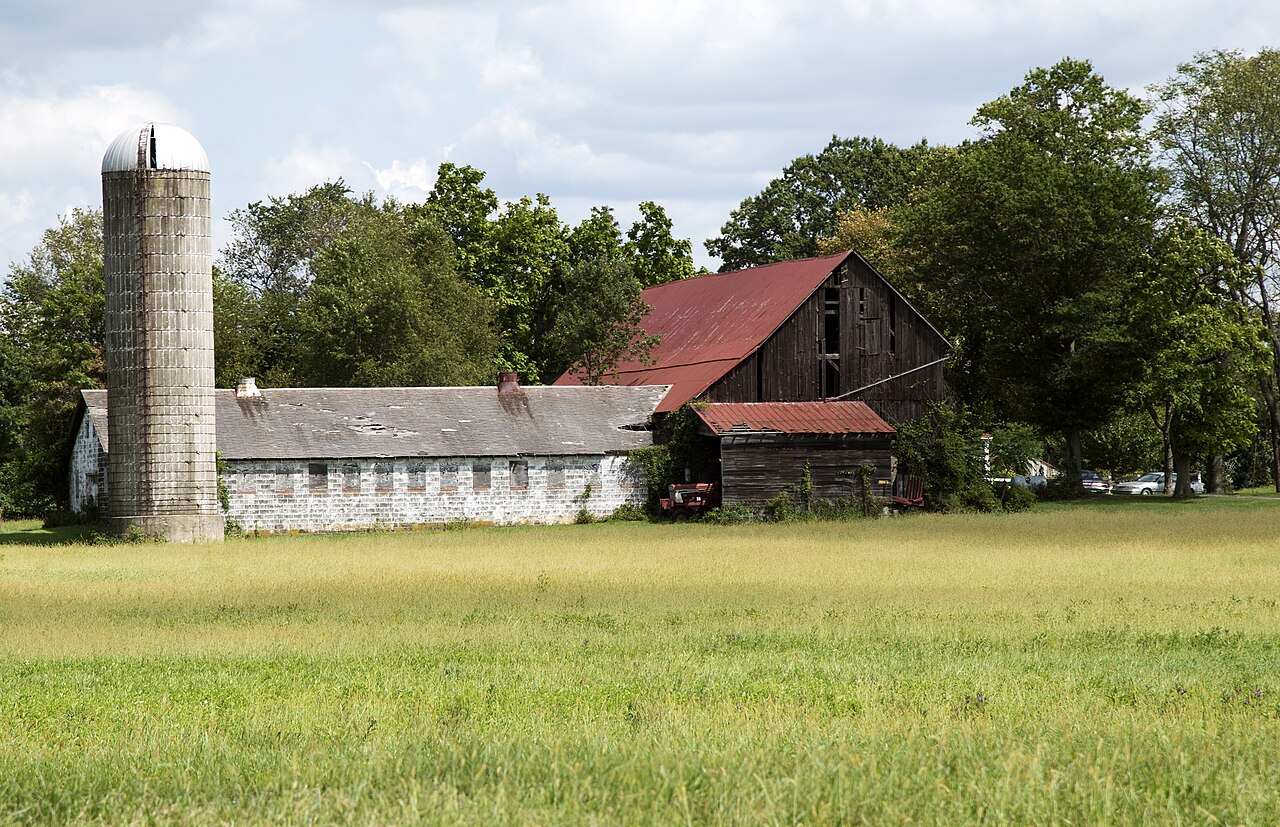
farms across Connecticut
$4B
added to the state economy annually
23,000
acres of farmland lost or compromised
169
towns — one farm visit each
Protect CT Farms is a statewide campaign to strengthen Connecticut’s Right to Farm laws so they match how family farms, forest operations, and local growers actually work today—production, education, on-farm sales, conservation, and the community connections that keep land in agriculture.
Right to Farm was never meant to be an empty promise on paper. When statutes and local ordinances do not clearly protect lawful modern farm activities, neighbors’ complaints, cease-and-desist orders, and years of permit fights can matter more than what happens in the field.
Through the 169 Towns Tour, farm stories, and advocacy for a statewide Right to Farm update, we are asking lawmakers, selectmen, and zoning boards in every municipality to align state law with the economics and stewardship of 21st-century Connecticut agriculture.
Connecticut needs a Right to Farm statute for modern agriculture: clear definitions of farming and incidental agricultural uses, consistent protection from nuisance claims, and alignment between state law and what the Department of Agriculture already promotes for farm viability.
The Right to Farm update01
From the Planning for Agriculture guide and the 2025 Regional Farm Viability Study
$17M
Diversified income—tours, events, direct sales—on 233 farms. Modern agriculture depends on more than commodity crops alone.
Source: Census of Agriculture / Planning for Agriculture
PA 490
Use-value assessment keeps farm and forest land in production—but reassessments and conflicting local rules can undermine farms already protected on paper.
Source: Planning for Agriculture
Right to Farm
Connecticut’s Right to Farm framework was meant to shield working agriculture from nuisance claims and incompatible land use—not to leave farms guessing whether education, on-farm sales, and stewardship activities count as farming.
Source: Planning for Agriculture; local RTF ordinances
Town by town
Some municipalities have strong Right to Farm ordinances; others rely on outdated zoning. Farmers need an updated state standard that recognizes modern agricultural practices.
Source: Regional Farm Viability Study 2025
A Connecticut where Right to Farm clearly protects modern agricultural practices—so farmers can invest in their land, welcome the public, and diversify income without fear that yesterday’s definitions will shut down tomorrow’s livelihood.
Connecticut families navigating outdated Right to Farm rules, zoning, and the cost of uncertainty
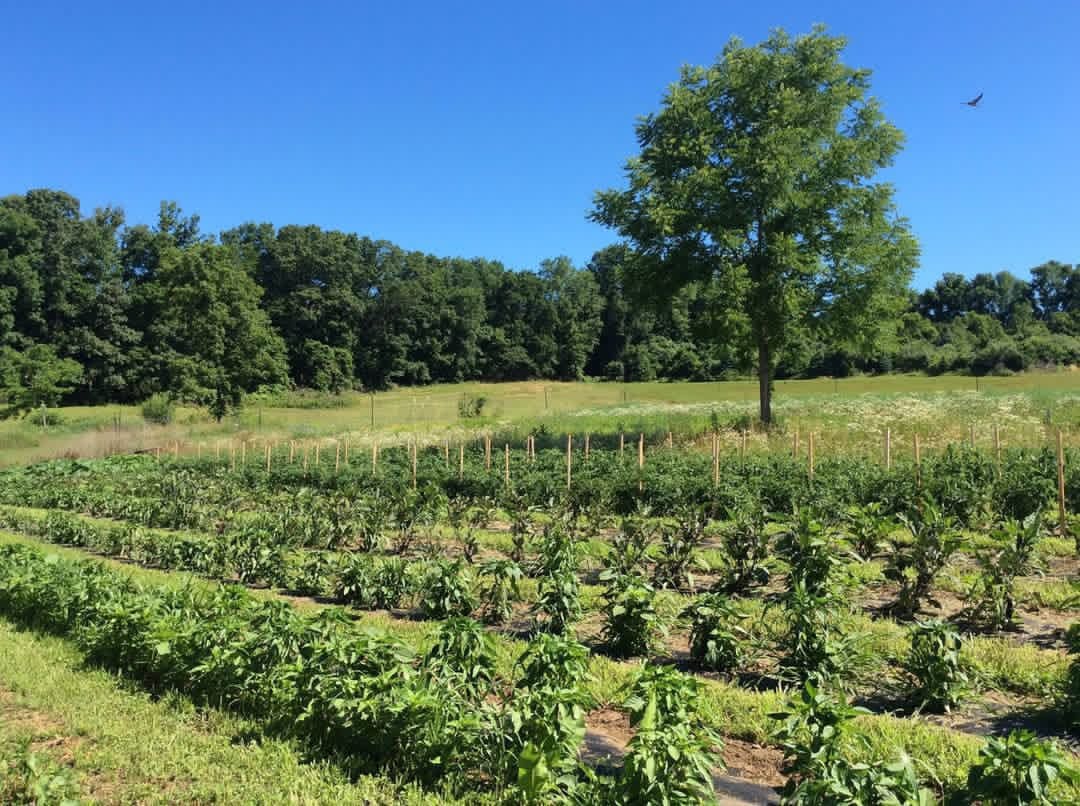
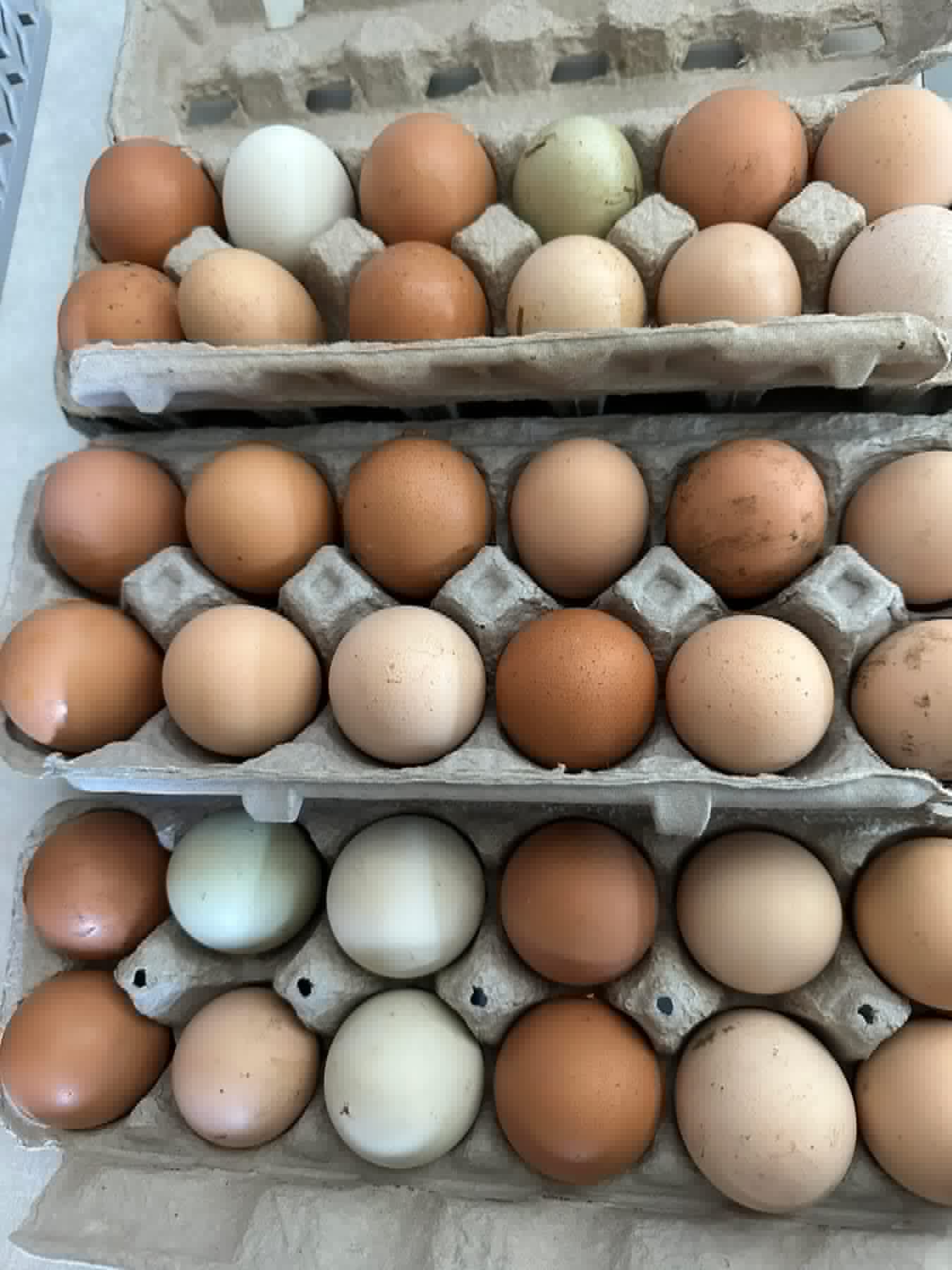
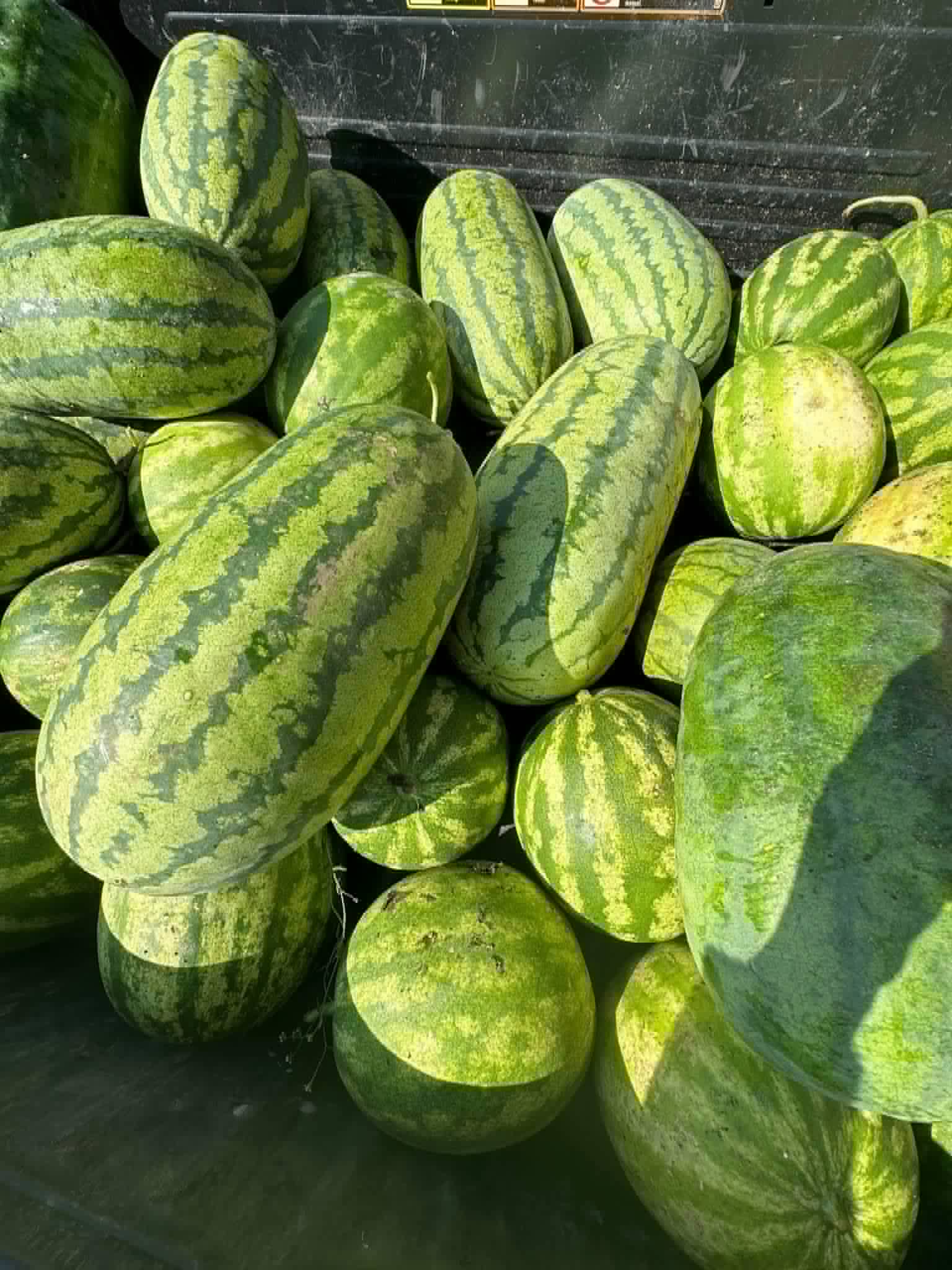
Right to Farm & zoning · Seymour
For more than a century, Red Clover Farms has been part of Seymour. Workshops and community programming became part of how the farm survives—until regulatory uncertainty and a cease-and-desist order showed why Connecticut needs Right to Farm rules that fit modern agriculture.
Visit farm website →Help update Connecticut’s Right to Farm law for modern agriculture. Whether you farm, serve on a board, or value open land—we need your name, your town, and your voice before the June 4 launch.
No bill has been introduced yet — that's why we're building public support first. We're asking the Connecticut General Assembly to modernize Right to Farm. Add your name and town so lawmakers see the demand.
You'll also receive Right to Farm updates, tour stops, and podcast episodes ahead of the June 4, 2026 launch.